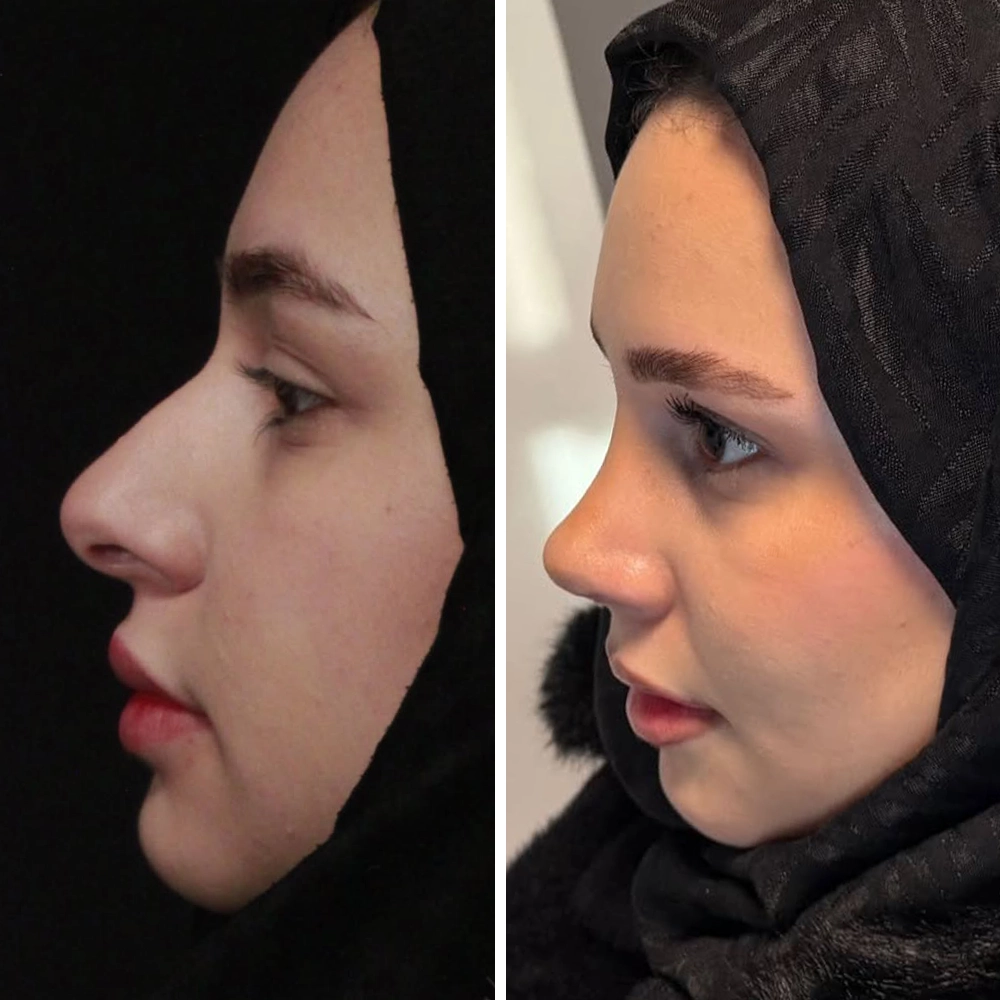
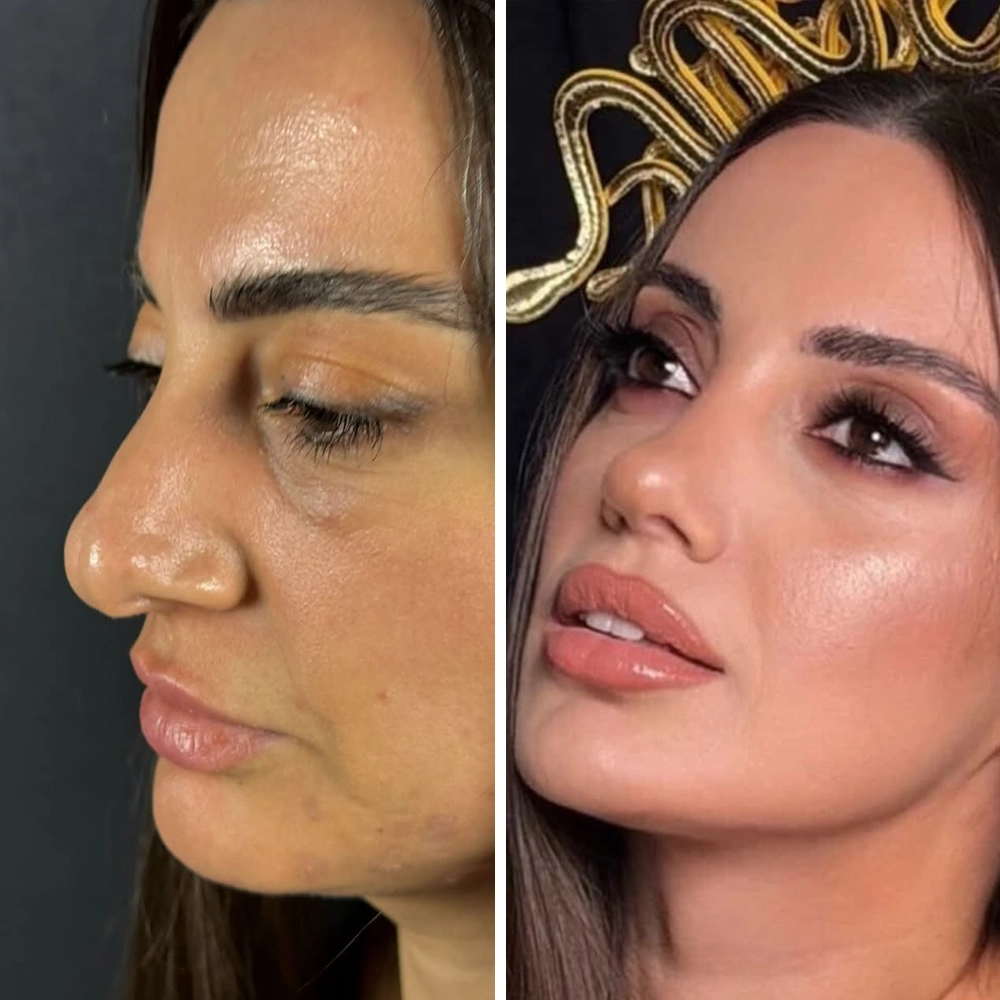
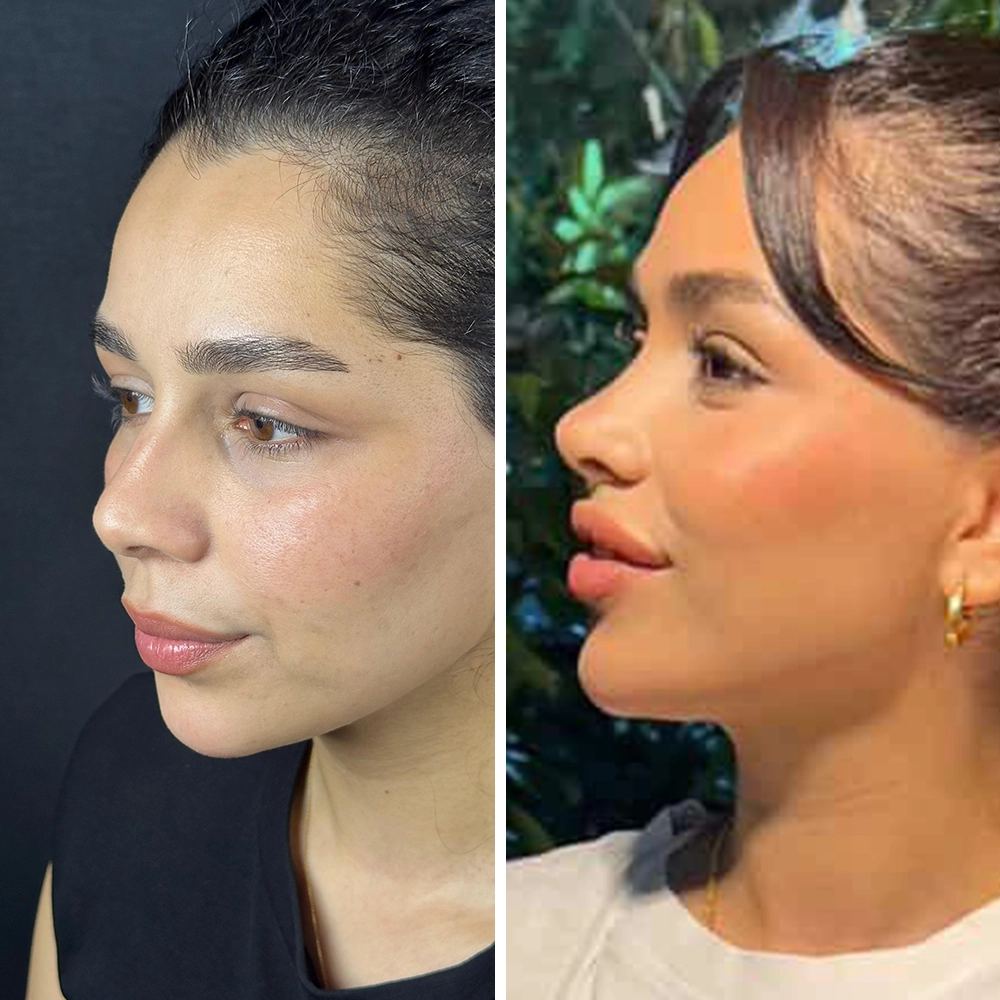
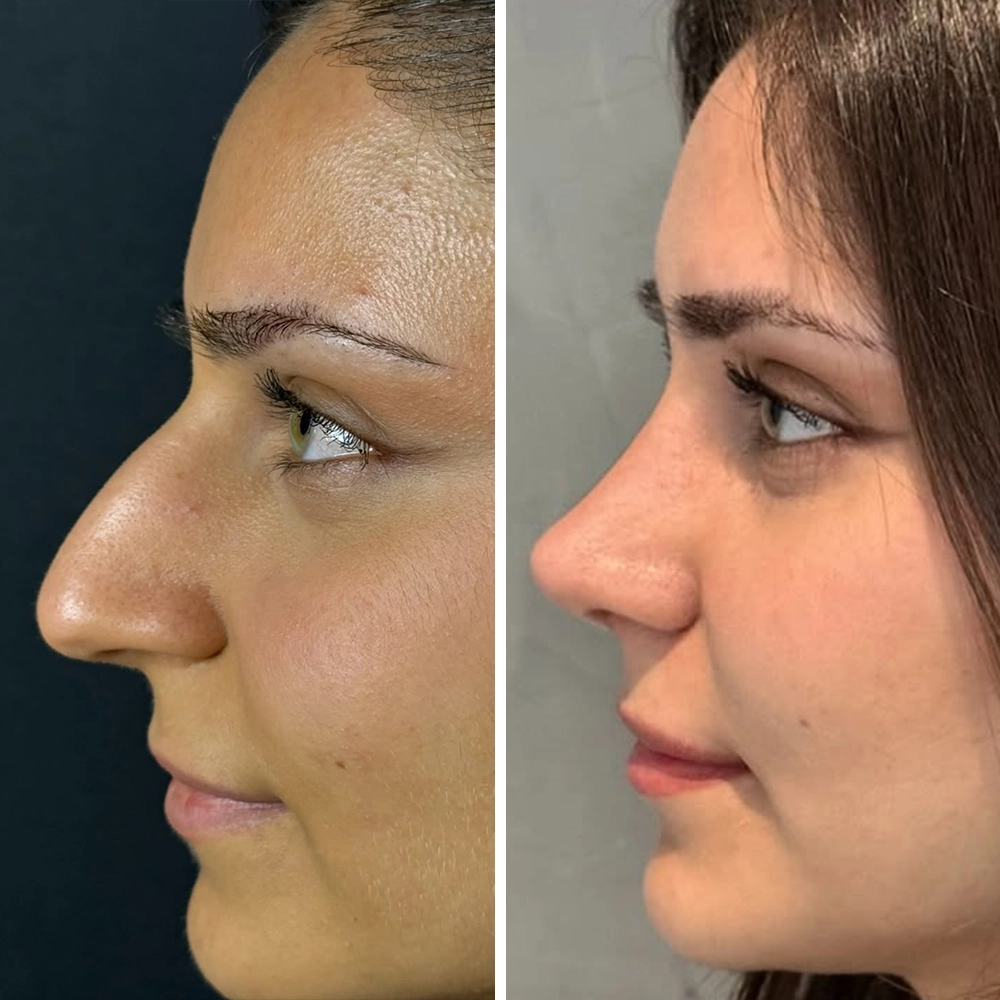
Septum deviation surgery — known clinically as septoplasty — is a procedure to straighten a deviated nasal septum: the wall of cartilage and bone that divides the nasal cavity into two airway passages. When the septum is significantly displaced from the midline, one or both nasal passages narrow, producing obstruction, chronic congestion, disrupted sleep and reduced quality of life.
Septoplasty is performed entirely through the nostrils — no external incisions, no visible scarring. The deviated cartilage and bone are repositioned or partially removed, and the septum is stabilised in the midline. The procedure leaves the external appearance of the nose unchanged unless it is combined with rhinoplasty.
Op. Dr. Özlem Oymak is a consultant ENT surgeon — the specialist category trained specifically in nasal airway anatomy, septal surgery and its functional outcomes. Septoplasty performed by a surgeon without ENT sub-speciality training carries a higher rate of incomplete correction, mucosal tear complications, and saddle deformity from over-resection.
“Most patients with a deviated septum have lived with it for years — sometimes decades — normalising symptoms that were never normal. The change after septoplasty is often described as breathing through a new nose.”
For UK patients, the NHS pathway for septoplasty involves waiting times of twelve to eighteen months or longer in most trusts. With Dr. Oymak, the timeline from first consultation to operating slot is four to eight weeks, and twelve months of structured aftercare is included in a single written quote.