Over-resection of the dorsum
Too much bridge was removed, producing a concave or "ski-slope" profile. Correction requires cartilage grafting — typically a spreader graft — to restore height and structural integrity.
Second-stage nose surgery by a consultant ENT surgeon — for international patients from the United Kingdom who want a meaningful correction, not a rushed compromise.
Revision rhinoplasty — also called secondary or corrective rhinoplasty — is a surgical procedure to improve the outcome of a previous nose operation. It is technically the most demanding discipline within rhinoplasty, and it requires a surgeon who understands not only ideal anatomy, but how anatomy behaves after it has already been operated upon.
Scar tissue, missing cartilage, disrupted blood supply and altered structural support all make revision work categorically different from primary rhinoplasty. The nasal framework that Dr. Oymak encounters in a revision case has already been rearranged once — sometimes poorly, sometimes merely incompletely — and the surgical task is to understand precisely what was done, what it produced, and what can realistically be improved.
At Op. Dr. Özlem Oymak's practice, every revision consultation begins with a detailed analysis of your original operation: what technique was used, how long ago, what the specific problem is now — aesthetic, functional or both. Patients from the United Kingdom most commonly present with over-resection of the dorsum (the "ski slope" deformity), a pinched or over-rotated tip, asymmetry, or persistent breathing obstruction that was either untreated or worsened by the initial procedure.
“A revision is not the same operation repeated. It is a different operation entirely — one that requires honesty about what is possible, patience about when to operate, and precision about what to correct and what to leave alone.”
For UK patients, the NHS pathway for revision rhinoplasty is either unavailable (if the concern is primarily cosmetic) or subject to waiting times exceeding twelve to eighteen months. With Dr. Oymak, the timeline from first contact to an operating slot is typically six to ten weeks — provided the mandatory twelve-month post-operative interval from your previous surgery has been observed.
Revision rhinoplasty is not a niche operation. Internationally, revision rates following primary rhinoplasty are estimated at 5–15%. Most cases fall into a recognisable category.
Too much bridge was removed, producing a concave or "ski-slope" profile. Correction requires cartilage grafting — typically a spreader graft — to restore height and structural integrity.
Excessive cartilage removal from the lower lateral cartilages leaves the tip narrow, sharp or turned upward beyond a natural angle. One of the most frequently reported aesthetic complaints following primary rhinoplasty.
Asymmetry that was present before surgery and inadequately corrected, or that developed during healing. The nasal bones, septum, tip and nostrils each contribute independently — the cause must be precisely identified before operating.
The internal or external nasal valve narrows following prior surgery, causing significant breathing obstruction. Often described as breathing through a pinched straw. Spreader or batten grafts restore the valve width.
The nose remains crooked or develops new irregularities as scar tissue contracts unpredictably. In some cases the septum was inadequately corrected at the primary procedure and contributes to ongoing asymmetry.
Thickened skin, visible columellar scars, or fibrotic tissue can alter how the underlying framework shows through. Scar management and structural support work together in these cases.
Revision rhinoplasty is not one technique but a combination of approaches — determined entirely by what was done before and what needs to be restored.
The standard for most revision cases. A small columellar incision provides direct, unobstructed access to the nasal framework — essential when cartilage grafts must be precisely placed or when the prior structural anatomy is unclear.
Where residual septal cartilage is available, it remains the first-choice graft material: accessible, predictable, and the correct stiffness for most tip and spreader applications. Frequently the first question is how much usable septum remains.
Cartilage harvested from the concha of the ear — a reliable secondary source when septal material is depleted. The ear retains its shape entirely after harvest. Used for alar grafts, tip refinement and minor dorsal augmentation.
Rib cartilage — the third and most substantial graft source. Required in complex revision cases involving significant dorsal augmentation or when both septal and auricular material has been previously depleted.
Thin cartilage strips placed along the middle vault to widen the internal nasal valve and straighten a collapsed or deviated middle third. Among the most functionally significant grafts in revision work.
Shield, cap, or columellar strut grafts to restore tip projection, definition and support after over-resection. Often the most visible corrective element — a well-placed tip graft transforms the profile view.
Restoring lost bridge height following over-resection — the "ski slope" presentation. Diced cartilage wrapped in fascia, or solid cartilage blocks, depending on the volume required.
Thick or fibrotic soft tissue is addressed through precise subcutaneous dissection, targeted steroid protocols, and graft placement that resupports the skin envelope from beneath.
Representative cases from Dr. Oymak's practice at Acıbadem Bursa Hospital, each published with written patient consent.
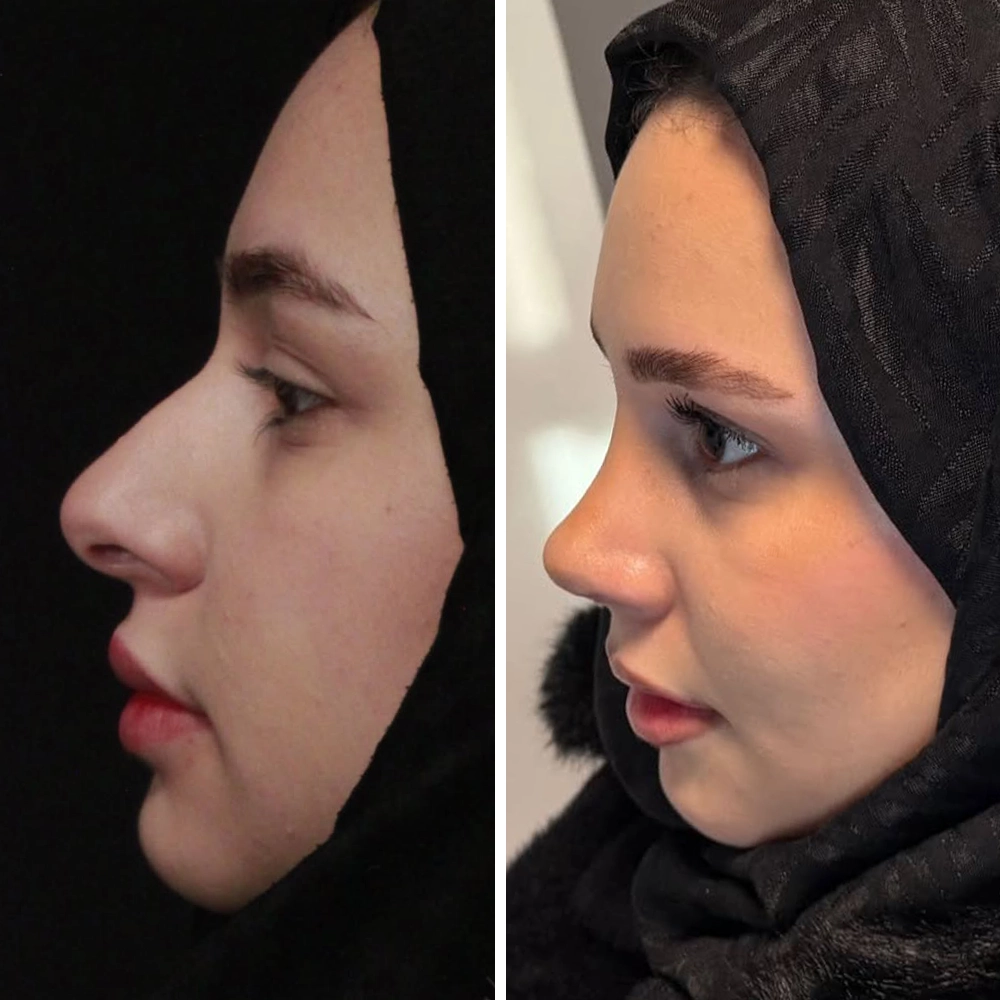 BEFOREAFTER
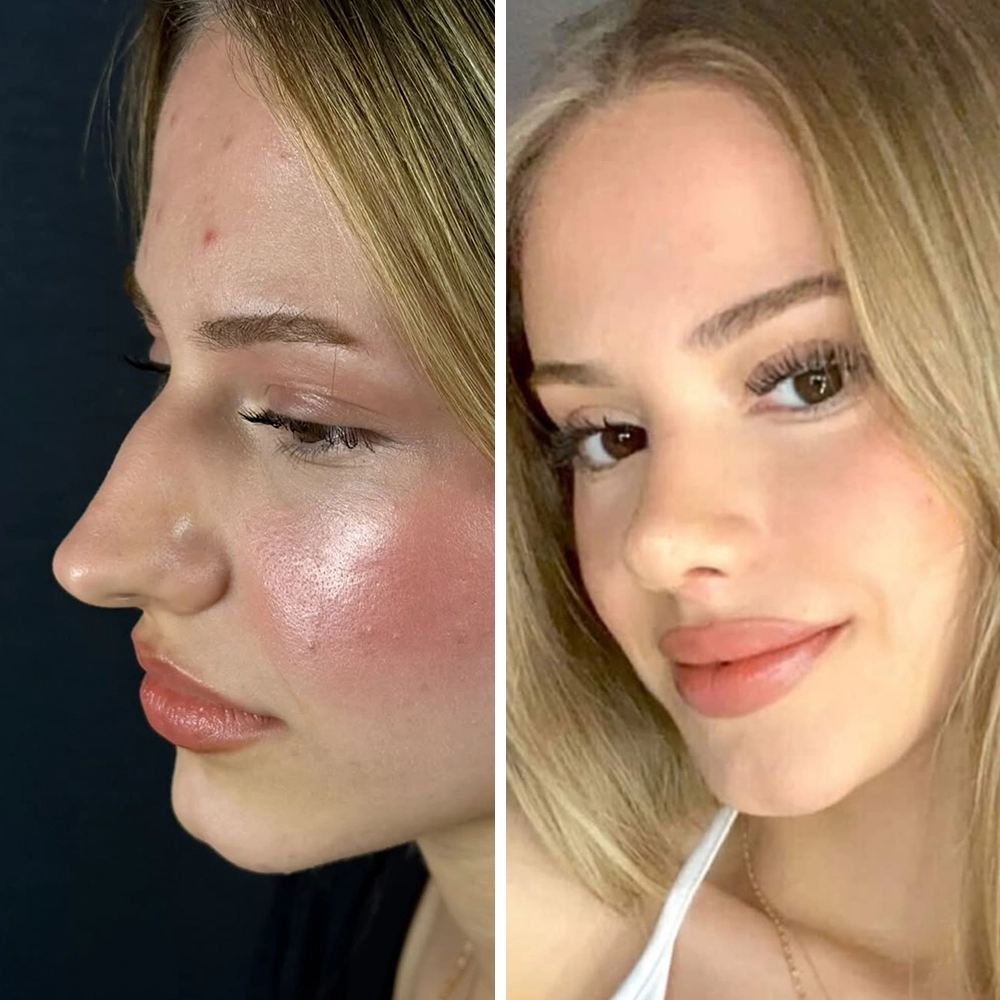 BEFOREAFTER
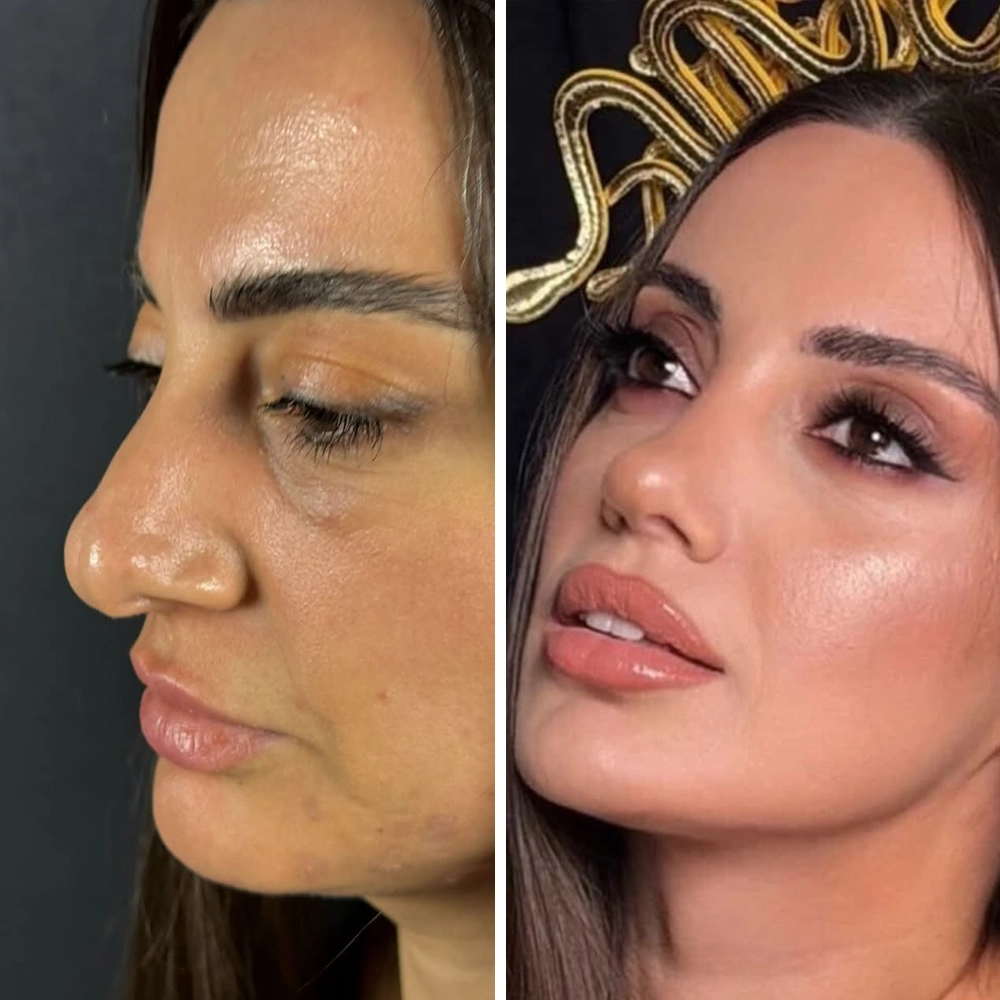 BEFOREAFTER
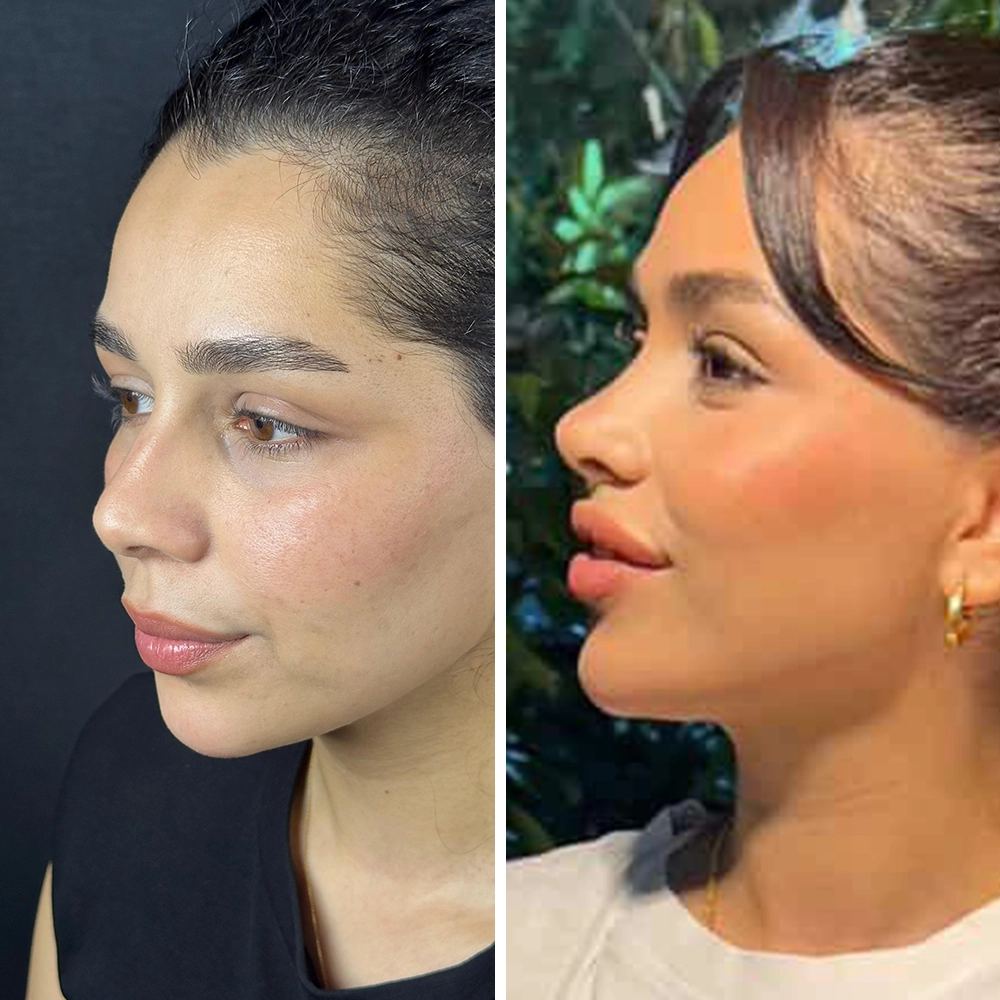 BEFOREAFTER
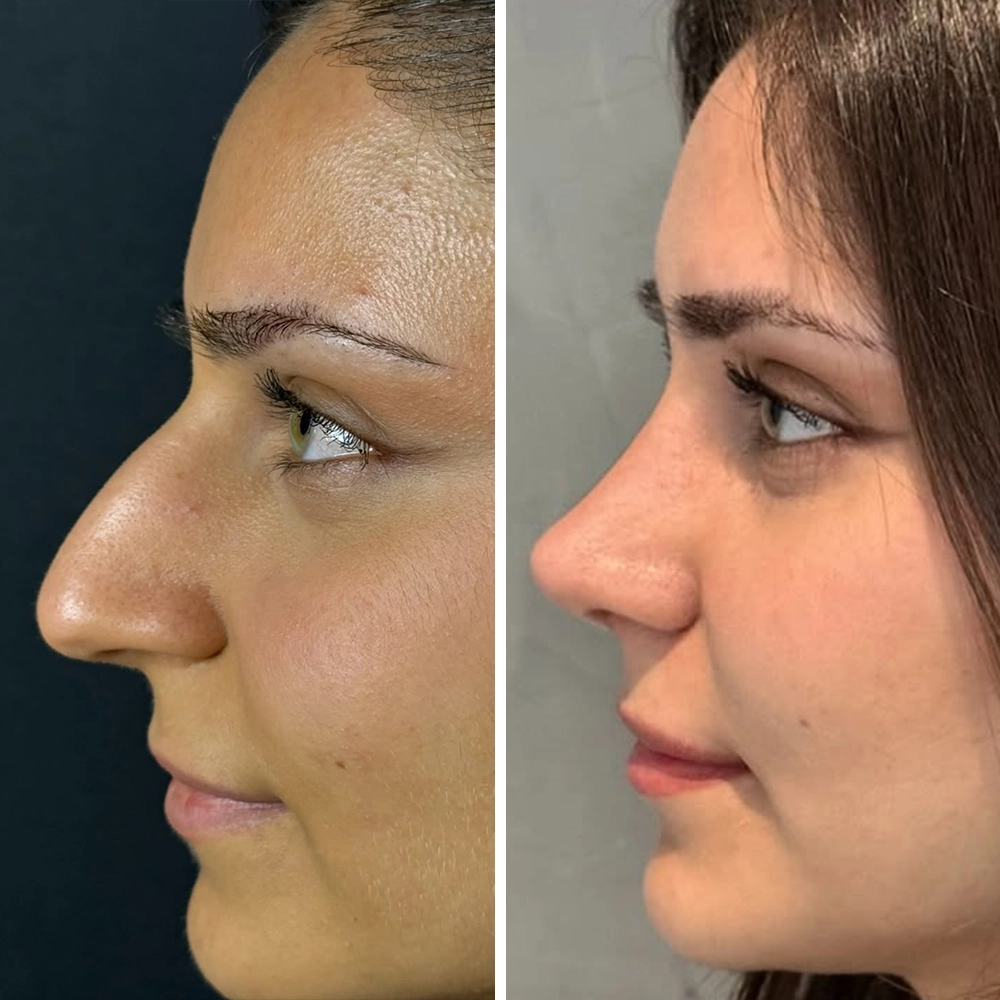 BEFOREAFTER
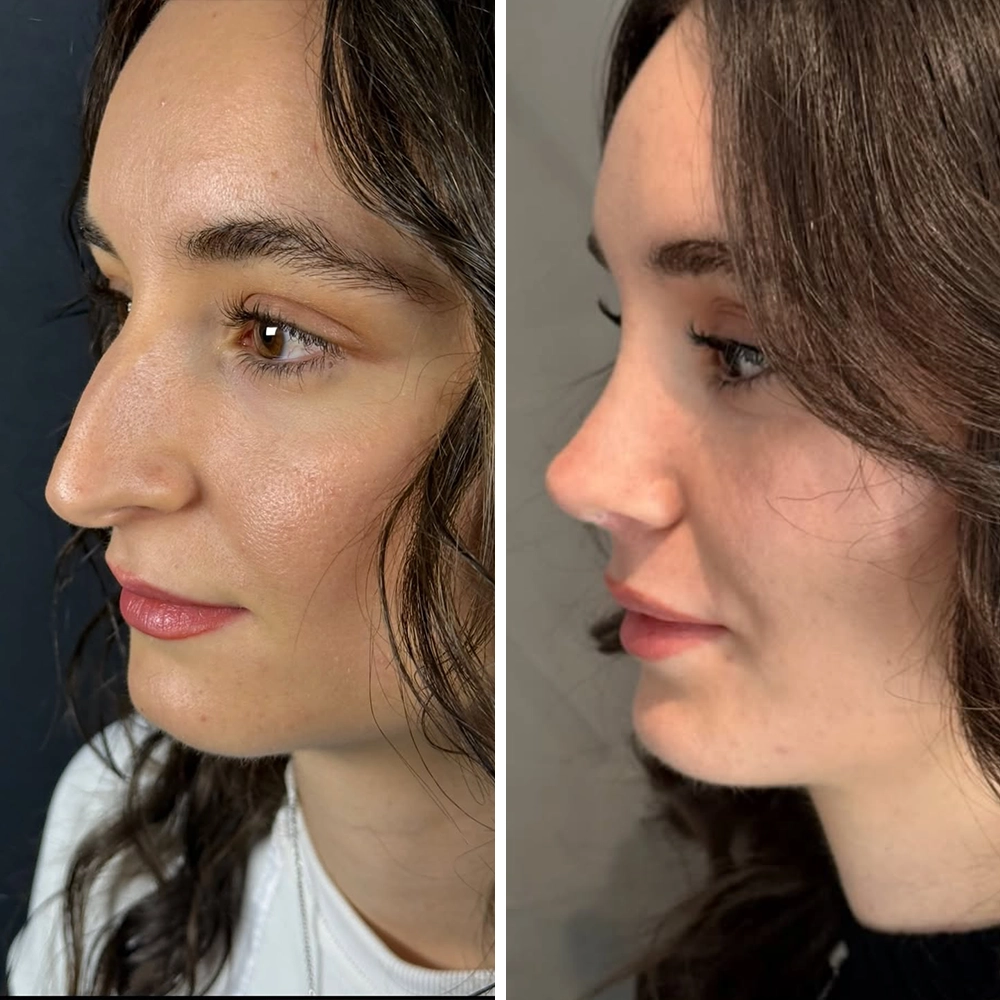 BEFOREAFTER
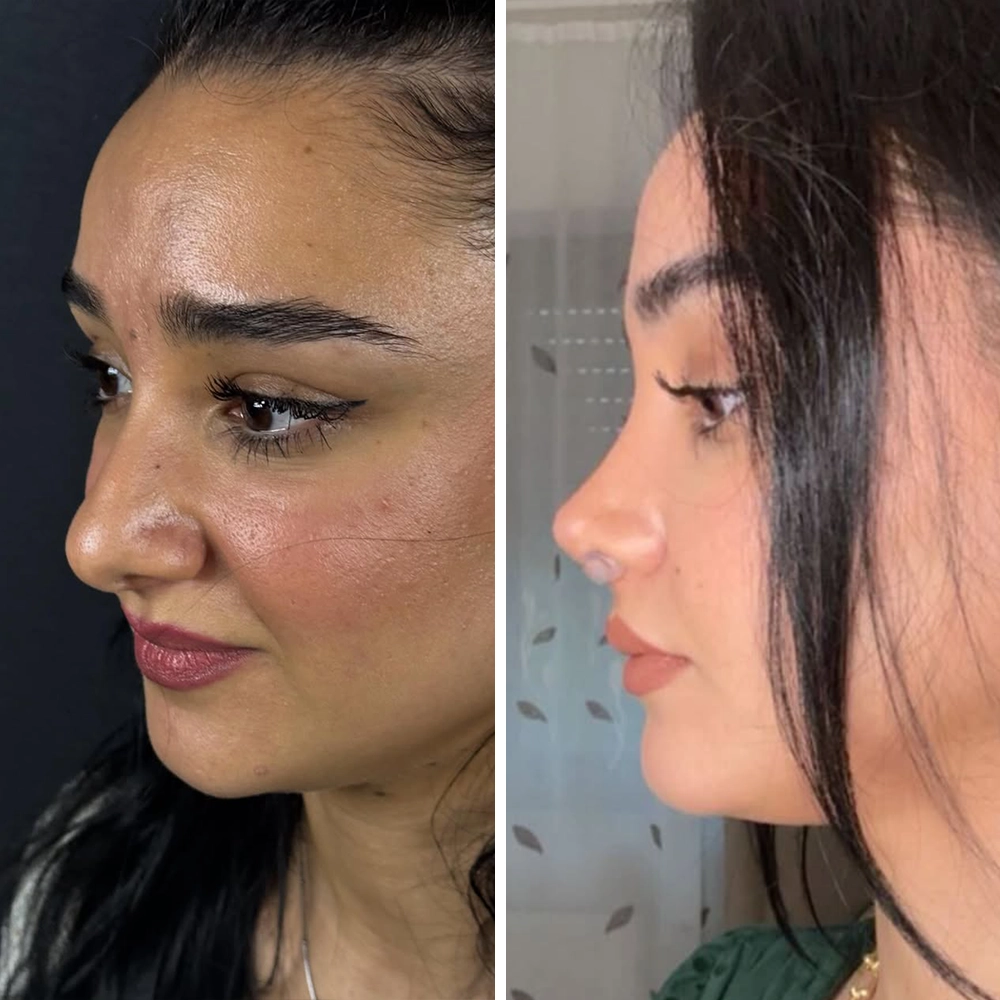 BEFOREAFTER
Individual results vary. Photographs are published with the patient's written consent and are not a guarantee of your outcome. All surgical procedures carry risks, which Dr. Oymak will discuss with you in full at your consultation.
Revision surgery rarely produces a perfect nose. What it can produce — reliably, in experienced hands — is a meaningful improvement across the specific areas that are troubling you.
Over-resection is the most common reason UK patients seek revision. Cartilage grafting — from the septum, ear or rib — rebuilds the bridge to a height that looks natural on your face, resolving the concave profile that signals an over-operated nose.
Removing too much lower lateral cartilage leaves the tip pinched, sharp or artificially rotated. Tip grafts restore structure, projection and support — the change is visible in the front view as well as the profile.
Nasal valve collapse following primary rhinoplasty is a functional complication that is frequently under-diagnosed. Spreader and batten grafts reopen the internal and external nasal valve, producing an immediate and lasting improvement in breathing.
Asymmetry that was pre-existing and not adequately corrected, or that developed as scar tissue contracted unevenly, can be addressed through targeted structural work. Setting realistic expectations is part of every consultation.
A persistent crooked nose — particularly one rooted in the septum — requires re-exposure and precise repositioning of the framework. The underlying septal contribution must be identified and corrected alongside the external shape.
Some patients are not pursuing a dramatic correction but a subtle softening — the "done" look they wanted to avoid. Small structural additions and careful soft-tissue management can move the result closer to the face they originally wanted.
When nasal obstruction introduced or worsened by primary rhinoplasty is contributing to snoring, structural restoration of the nasal airway can reduce or eliminate the symptom alongside the cosmetic improvement.
Living with a result that does not reflect the person you are is a specific and often significant burden. Revision surgery, when it succeeds, removes the reminder from the mirror — and many patients describe this as the most important outcome.
Land in Istanbul, step into a private Mercedes. Just over an hour later you are in Çekirge — Bursa's thermal district, where Dr. Oymak's practice and Acıbadem Hospital are based.
The same surgical standard UK patients travel for — without the noise of Istanbul.
The suitability criteria for revision rhinoplasty are stricter than for primary surgery. Dr. Oymak applies every criterion below before agreeing to operate.
Cases from Dr. Oymak's practice at Acıbadem Bursa Hospital, published with written patient consent.
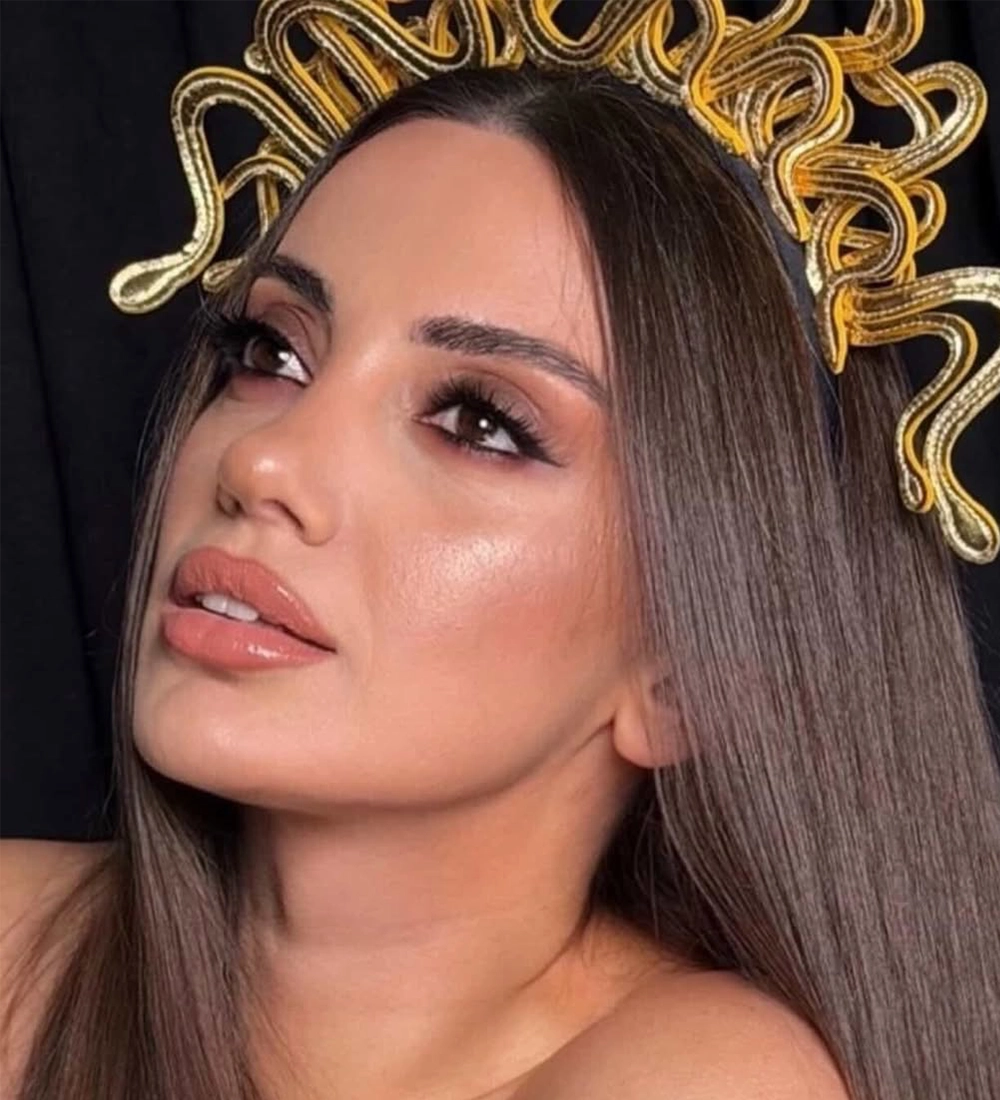
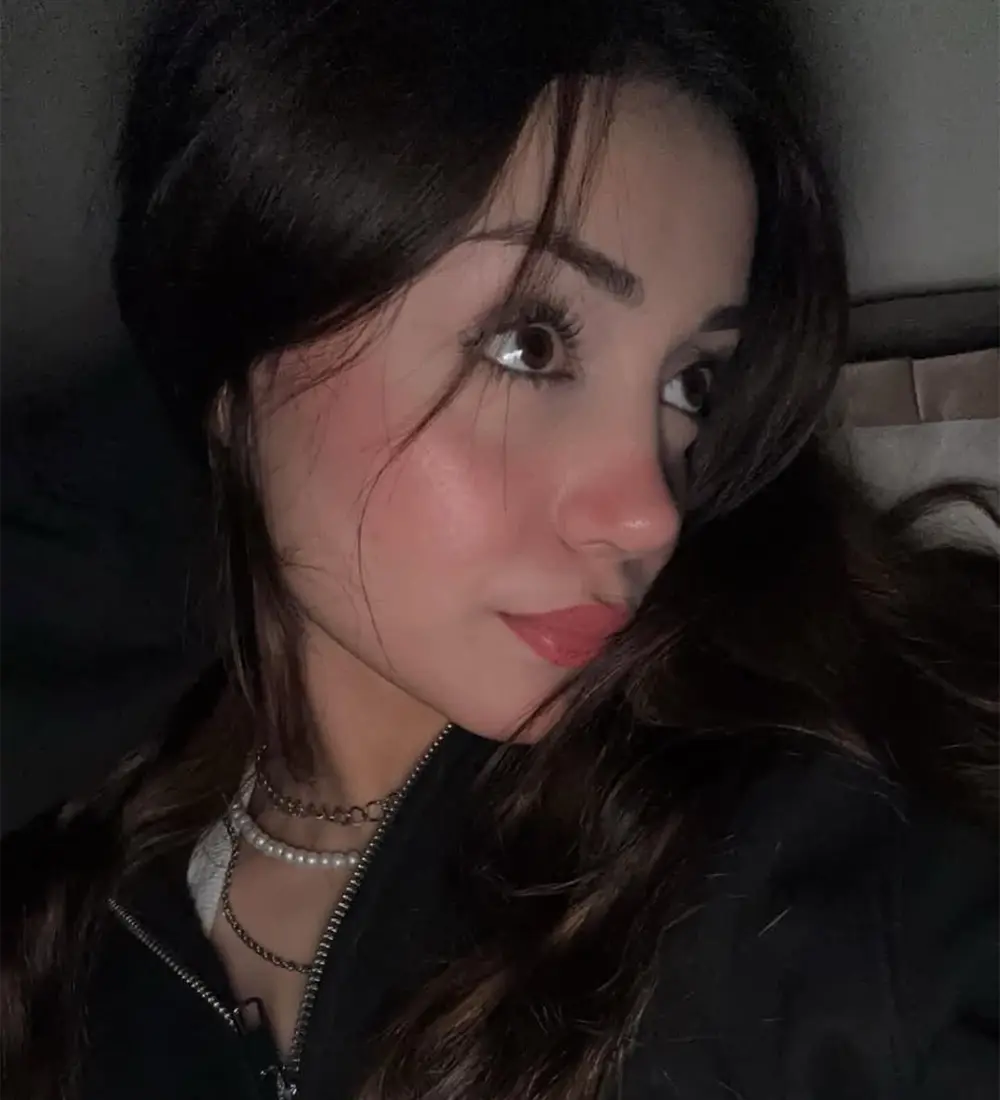
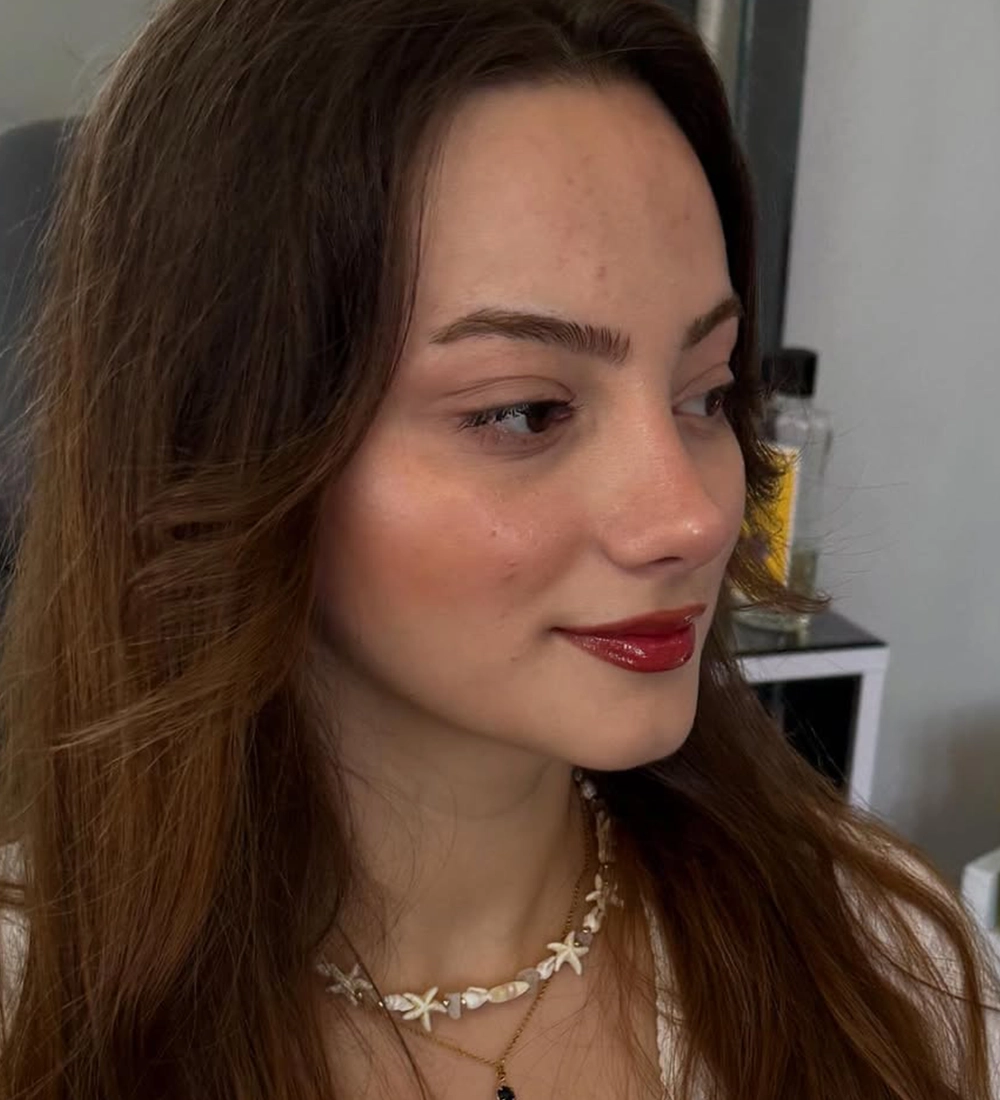

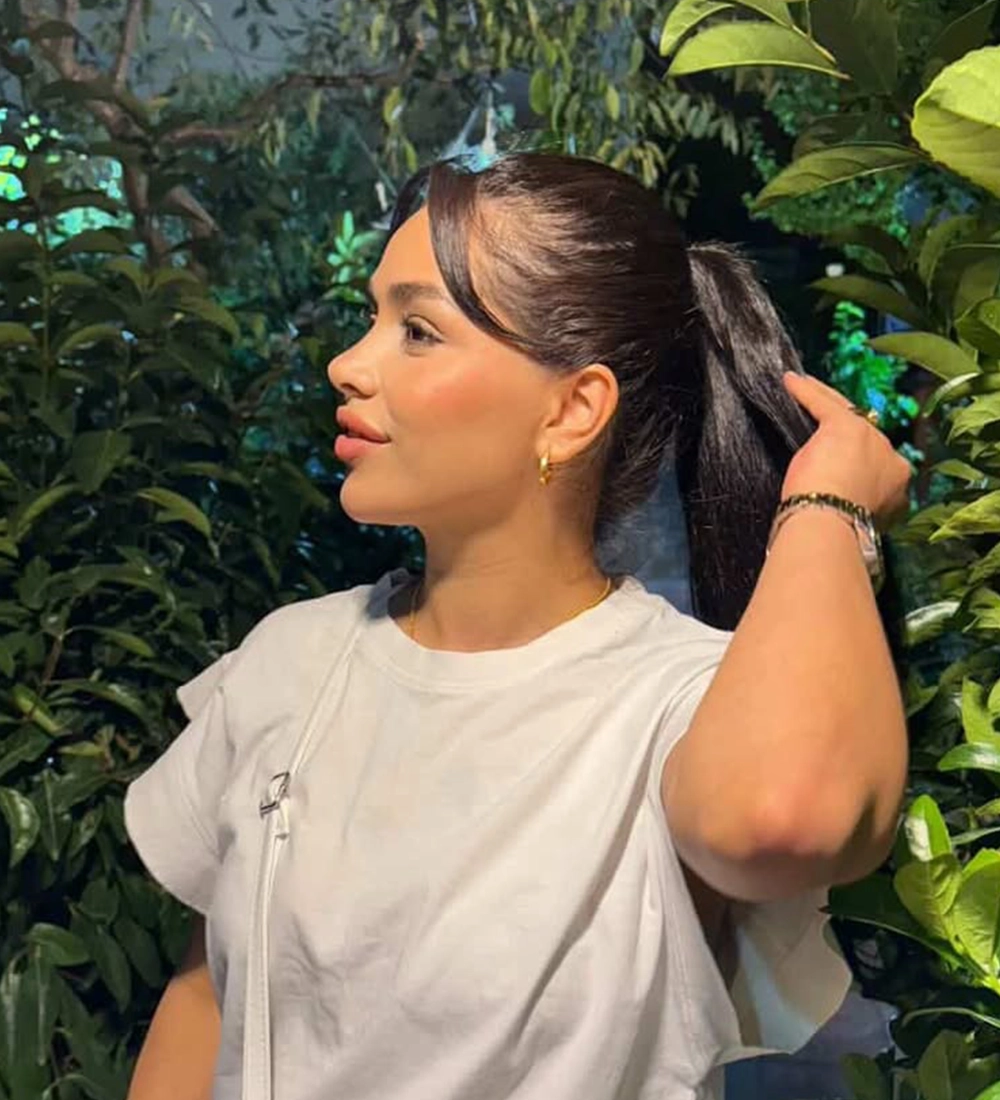
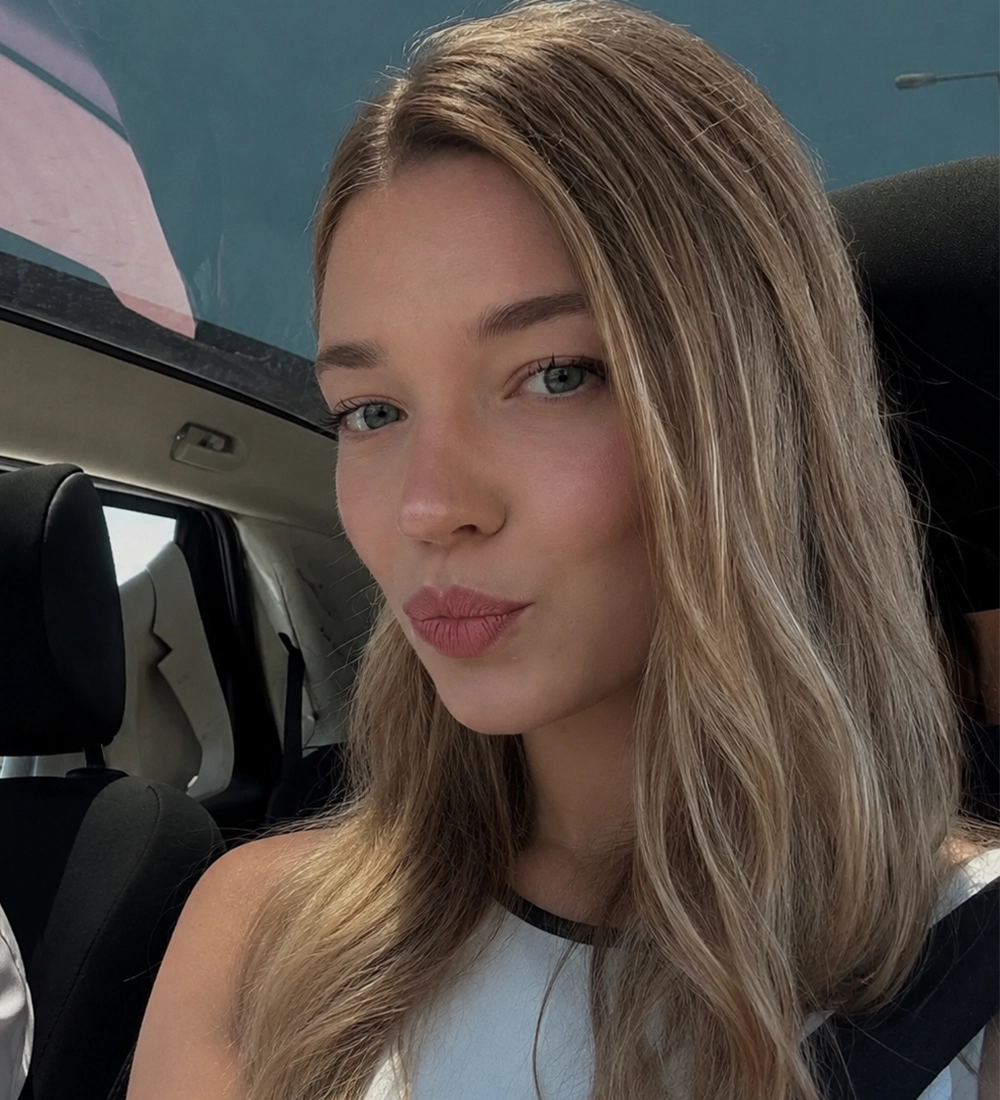
Individual results vary. Photographs are published with the patient's written consent and are not a guarantee of your outcome.
Understanding the difference matters — both for setting realistic expectations and for choosing the right surgeon.
In a primary rhinoplasty, the surgeon works with anatomy that has never been altered — predictable tissue planes, intact cartilage and an established blood supply. Outcomes are more predictable and recovery is generally shorter. Most surgeons who perform rhinoplasty are offering this operation.
Technique and artistic judgement are the primary differentiators.
In a revision, the tissue planes have been disrupted, cartilage may be absent or displaced, and the blood supply has been partially compromised. The surgeon must reconstruct rather than reshape — which demands a different skill set, different grafting strategies and considerably more operating time.
Structural understanding and grafting expertise are the decisive factors.
Every international revision rhinoplasty patient follows the same four-stage pathway. From first enquiry to operating slot: six to ten weeks, subject to the twelve-month interval from previous surgery.
A complimentary 20-minute private video call with Dr. Oymak — never a coordinator. We ask for three to five clinical photographs and your previous operative note or clinic letter, where available.
You leave the call with an honest assessment of whether revision is appropriate, what the likely graft strategy is, and what degree of improvement is realistic for your specific anatomy.
A fully itemised written quote in GBP — surgery, anaesthesia, Acıbadem hospital stay, medication, twelve-month follow-up. No verbal extras, no supplements added on the day.
A mandatory two-week reflection period applies before any deposit. Revision surgery requires a confident, unhurried decision.
Day 01 — private airport transfer, hotel check-in, pre-operative blood work and anaesthesia review.
Day 02 — revision rhinoplasty at Acıbadem Bursa Hospital under TIVA general anaesthesia. One night inpatient.
Days 03–07 — recovery at your hotel in Nilüfer. Splint removed at day 5–7, before you fly home.
Structured video reviews at week 1, week 6, and months 3, 6 and 12 — directly with Dr. Oymak.
Direct WhatsApp access to the operating surgeon for the entire first year. Revision patients also receive a photographic swelling-progression guide.
Revision rhinoplasty is priced above primary rhinoplasty — it requires longer operating time, additional instrumentation, and cartilage grafts from one or more sites. Your quote is built from your individual surgical plan following your video consultation. The figure you sign is the figure you pay.
Cases requiring costal (rib) cartilage grafting are quoted individually. Travel and accommodation are arranged separately at preferred partner rates.
REQUEST A WRITTEN QUOTE →Verified reviews from international rhinoplasty patients — published with written consent. Aggregate rating of 4.7 from 120+ verified Google and Trustpilot reviews.
After searching countless places and doctors, I came to your clinic with a great deal of scepticism — and I found a truly professional process. I saw that you have elevated rhinoplasty to the very pinnacle of the field, regardless of gender. Meeting your expertise became a turning point in my life. I wanted to thank you for the care and attention you showed me.
Our doctor was a wonderfully warm and elegant lady. I am extremely pleased with my nose surgery and would recommend her to everyone. There was absolutely no swelling or bruising — I believe this is thanks to the state-of-the-art technology she used. I highly recommend her. She is very successful in her field.
Özlem Hanım is a doctor who truly loves her work and values her patients. She was very attentive throughout the consultation, explained everything step by step and put me completely at ease. Her warm smile and patient manner made me feel entirely comfortable. The practice itself is spotless and tranquil. I am so glad I chose her.
I had my surgery approximately one and a half months ago and I was quite anxious beforehand. My doctor took away all of that nervousness and worry. Her warm approach and willingness to answer every question at any moment made me especially happy. I am very satisfied.
After lengthy research, I had my surgery on 2nd July. Both the surgical process and the post-operative period were managed beautifully. Whenever I called, I could reach someone, and my questions were answered in a way that truly put my mind at rest. I can recommend her with complete confidence.
I have seen many doctors, but Özlem Hanım is the one who satisfied me in every way — I am truly grateful to her. I was having difficulty breathing and that problem is now gone. On top of that, the shape of my nose has changed dramatically. I have not had a single negative response from anyone around me.
I went to Özlem Hanım in October with complaints of being unable to breathe and a crooked bone. Compared to other doctors in the field, I think she performs her work with greater care and precision. It has been five months since my surgery and I am personally very pleased with my nose. I am so glad I trusted her.
After the disappointment I experienced with a previous doctor in Istanbul, I am so glad I found you. Thanks to you, I can now look in mirrors again and enter social settings with confidence. Your support throughout the process was also very important from a psychological standpoint. Thank you for everything — I am so glad you exist.
I had my surgery with Özlem Hanım two months ago. I had quite a problematic nose — there was no perfect wait, but the result turned out even more beautiful and natural than I had imagined. I had no issues whatsoever after the operation. Her attention and care are excellent. I recommend her wholeheartedly.
It has been exactly one year since my nose surgery. The recovery was very comfortable — no bruising at all and very minimal swelling. The result turned out even more beautiful than I had anticipated. I cannot thank her enough; it was the best decision I have ever made in my life.
Revision rhinoplasty with Op. Dr. Özlem Oymak is quoted on an individual basis following your video consultation. The price is higher than primary rhinoplasty because the operation takes longer, requires cartilage grafting in almost every case, and demands a specific surgical skill set. Your written quote covers surgery, anaesthesia, Acıbadem Bursa hospital stay, all grafts, medication and twelve months of aftercare — provided before any payment is requested.
A minimum of twelve months from your previous rhinoplasty — without exception. The nose takes this long for all post-operative swelling to resolve and for scar tissue to fully mature. Operating before this point makes it impossible to assess what actually needs correcting, and significantly elevates surgical risk. If fewer than twelve months have passed since your previous operation, Dr. Oymak will not schedule surgery — but she is happy to conduct a consultation and plan ahead.
Safety depends entirely on the facility and surgeon, not the country. All operations are performed at Acıbadem Bursa Hospital — JCI-accredited, the same international standard used to evaluate hospitals across the US and UK. Dr. Oymak is licensed by the Turkish Ministry of Health, is a member of ISAPS and EAFPS, and operates at a single hospital. Every patient receives twelve months of direct post-operative access to the operating surgeon.
Private revision rhinoplasty in the UK from a consultant ENT rhinoplasty specialist typically costs significantly more, with aftercare often invoiced separately. With Dr. Oymak in Bursa, the package is fully all-inclusive. The operative setting — Acıbadem Bursa, JCI-accredited — is clinically equivalent to the best private facilities in London. NHS provision for cosmetic revision rhinoplasty is extremely limited, with NHS England RTT data showing extended waiting times for functional revision cases.
Dr. Oymak uses autologous (your own) cartilage in all revision cases — synthetic implants are not used. The three sources, in order of preference: Septum — the first choice when residual cartilage is available; Ear (concha) — used when the septum has been depleted; the ear heals with no visible change in shape; Rib — for complex cases requiring significant volume; harvested via a small incision beneath the breast crease. The cost of all grafts is included in your written quote.
In terms of pain, revision rhinoplasty is not significantly more uncomfortable than a primary rhinoplasty. Post-operative sensation is similar: pressure and congestion rather than acute pain, managed with prescription analgesia. Most patients return to desk work within two weeks and full exercise after six weeks. The main difference is that final swelling takes twelve to eighteen months to resolve rather than nine to twelve.
Yes — and in many cases the functional improvement is as significant as the cosmetic correction. Nasal valve collapse following primary rhinoplasty is a common cause of breathing obstruction that is frequently under-diagnosed. Spreader and batten grafts restore the internal and external nasal valve width, often producing a dramatic improvement in airflow. Both aesthetic and functional concerns are addressed in a single combined procedure.
Most revision rhinoplasty patients stay five to seven nights: Day 01 — private airport transfer, hotel check-in, pre-operative blood work. Day 02 — surgery at Acıbadem Bursa Hospital, one night inpatient. Days 03–07 — recovery at your hotel in Çekirge. Day 06–07 — splint removal in clinic, then fly home. Cases involving rib graft harvest may require one additional night.
Every patient receives Dr. Oymak's direct WhatsApp number for one full year post-operatively. Concerns are reviewed personally by her, typically within hours. In the rare case where a further revision is clinically indicated within the first twelve months, it is included at no additional surgical-fee cost.
NHS provision for cosmetic revision rhinoplasty is extremely limited. Private revision rhinoplasty in the UK from a consultant ENT rhinoplasty specialist typically carries waiting times of four to eight months for a first consultation. With Dr. Oymak, the all-inclusive package is individually quoted and the timeline from first contact to operating slot is six to ten weeks. Bursa itself is quiet, calm and well-suited to the recovery period that revision surgery requires.
A complimentary 20-minute private video consultation. You will receive an honest assessment of what revision surgery can achieve for your specific anatomy, an itemised written quote, and — if you choose to proceed — a clear plan for your time in Bursa.

