Bulbous tip
Wide, rounded lower lateral cartilages create a broad, undefined tip. Tipplasty reshapes and repositions the cartilages — and adds grafts where needed — to narrow and define the tip from the front view.
Focused tip surgery — tipplasty — by a consultant ENT surgeon for international patients from the United Kingdom. Address the tip alone, without touching the bridge.
Nose tip surgery — known clinically as tipplasty — is a focused surgical procedure that reshapes the tip of the nose without altering the nasal bridge. It addresses a bulbous, drooping, asymmetrical, over-projected or under-projected tip using precisely placed incisions and cartilage work confined entirely to the lower third of the nose.
For patients whose concern is the tip alone — not the bridge — tipplasty offers a more targeted approach than full rhinoplasty. Operating time is typically one to one and a half hours. Recovery is shorter, a rigid splint is often not required, and the visible result begins to emerge earlier than after a full rhinoplasty.
At Op. Dr. Özlem Oymak's practice in Bursa, every tip surgery consultation begins with an honest assessment: is the tip genuinely the only concern, or would the bridge need to change for the new tip to look balanced? In some cases a combined approach is the more honest answer. Dr. Oymak will not perform a tipplasty that leaves a visual disproportion between the bridge and the new tip.
“The tip is the most expressive part of the nose — and the part that moves, ages and responds to light differently from the bridge. Operating on it well requires understanding all three.”
For UK patients, nose tip surgery in Bursa offers a practical alternative to NHS waiting times — with a four-to-eight week timeline from first enquiry to operating slot, and twelve months of structured aftercare included in a single written quote.
Nose tip surgery addresses specific structural problems at the lower third of the nose. The cause of each concern — and therefore the surgical approach — differs between patients.
Wide, rounded lower lateral cartilages create a broad, undefined tip. Tipplasty reshapes and repositions the cartilages — and adds grafts where needed — to narrow and define the tip from the front view.
A tip that points downward — particularly on animation, such as when smiling — is often caused by a depressor septi ligament that pulls the tip inferiorly. Division of this ligament and tip rotation produce a lasting correction.
A tip that protrudes too far from the face creates an unbalanced profile. De-projection reduces the length of the medial and lateral crura to bring the tip into proportion with the rest of the nose and face.
A flat or recessed tip that sits too close to the face. Projection is increased using a columellar strut graft or shield graft — cartilage from the septum or ear — to extend and define the tip.
Unequal lower lateral cartilages, post-traumatic displacement or developmental asymmetry produce a tip that reads as crooked or uneven. Targeted cartilage work balances the tip without touching the bridge.
A rectangular or squared-off tip from the front view — typically caused by widely divergent lower lateral cartilages. Suture techniques and judicious cartilage reduction bring the defining points closer together and refine the front view.
Tipplasty uses a combination of manoeuvres — which ones are applied depends on the specific concern and the anatomy underneath.
A small incision across the columella gives direct access to both lower lateral cartilages simultaneously. Preferred for asymmetry, significant bulbosity and cases requiring grafting. The columellar scar is inconspicuous within months.
All incisions inside the nostrils — no visible external scar. Well-suited to minor tip refinement and cases where the asymmetry between the two sides is minimal. Recovery is marginally shorter than the open approach.
Precisely placed permanent sutures reshape the lower lateral cartilages without removing tissue. Particularly effective for bulbous and boxy tips — the cartilage is repositioned rather than excised, preserving structural support and reducing revision risk.
A thin cartilage graft placed between the medial crura to stabilise the tip, increase projection, and prevent post-operative drooping. Used for under-projected tips and as structural support for any procedure involving tip rotation.
Cartilage grafts placed at the tip to define the tip-defining points, increase projection and improve the front view. Used for under-projected or poorly defined tips — the graft shape is designed to look like natural anatomy.
Division of the depressor septi ligament stops the tip from pulling downward on animation — particularly on smiling. A targeted manoeuvre that corrects a drooping animated tip without altering the resting position dramatically.
When tip refinement narrows the tip relative to the nostril width, alar base reduction restores proportion. Small excisions at the alar crease heal inconspicuously within months and are planned only when the nostril-tip relationship genuinely requires it.
The nasolabial angle is increased to lift a drooping tip or achieve a slightly upturned aesthetic. Rotation is combined with structural support to maintain the new position long-term. The target angle is calibrated to your facial proportions — never to a generic formula.
Representative cases from Dr. Oymak's practice at Acıbadem Bursa Hospital, each published with written patient consent.
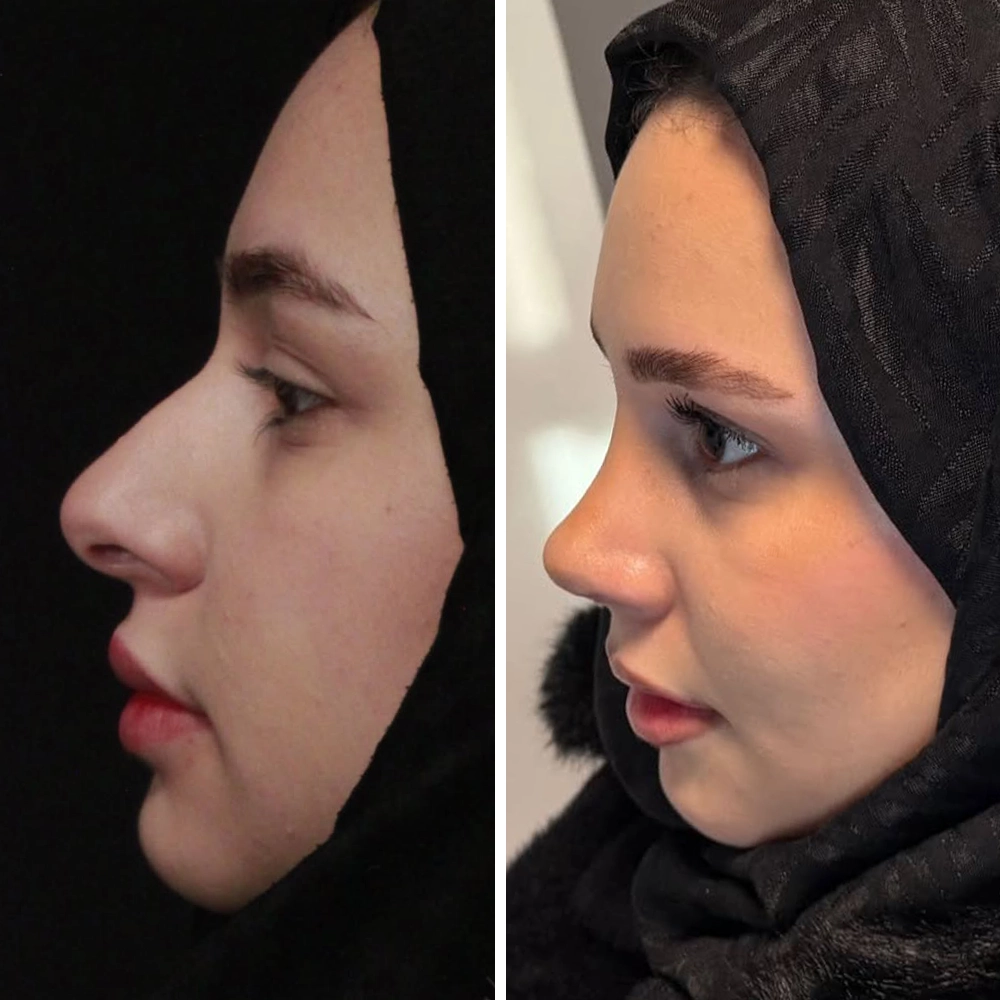 BEFOREAFTER
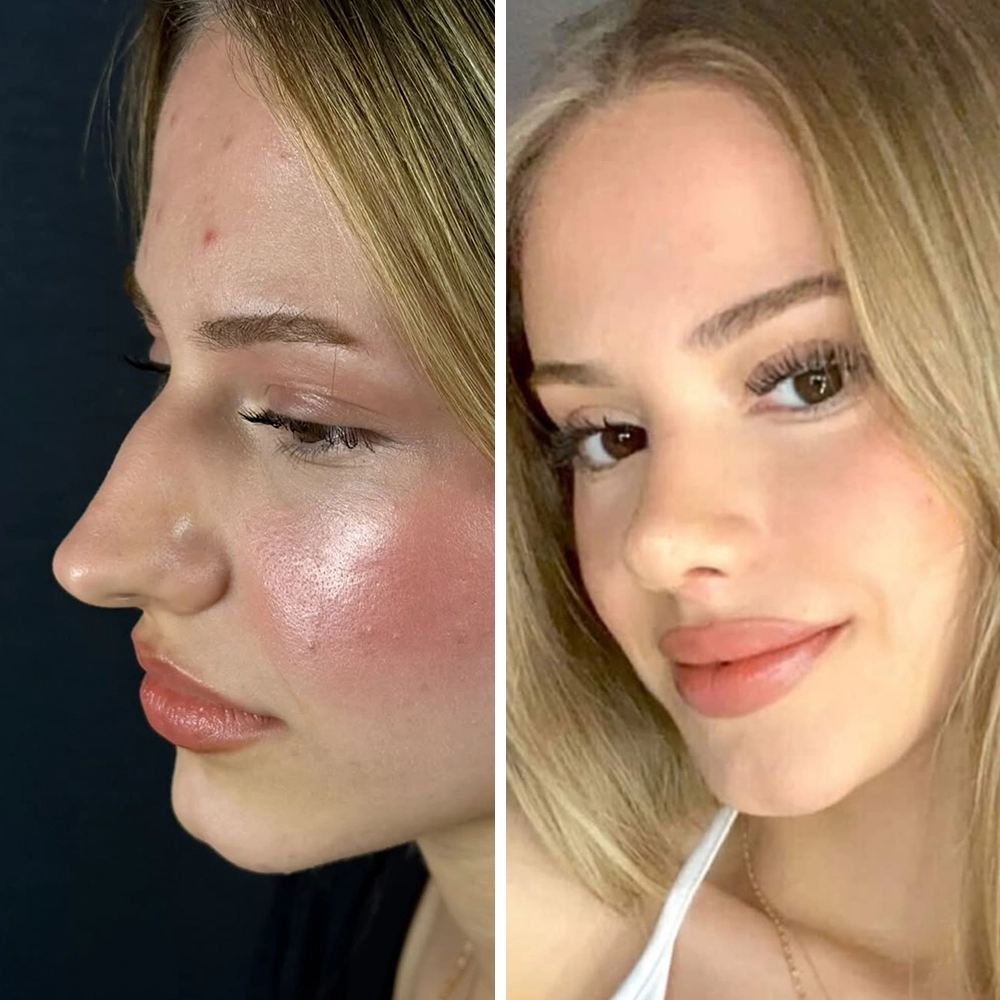 BEFOREAFTER
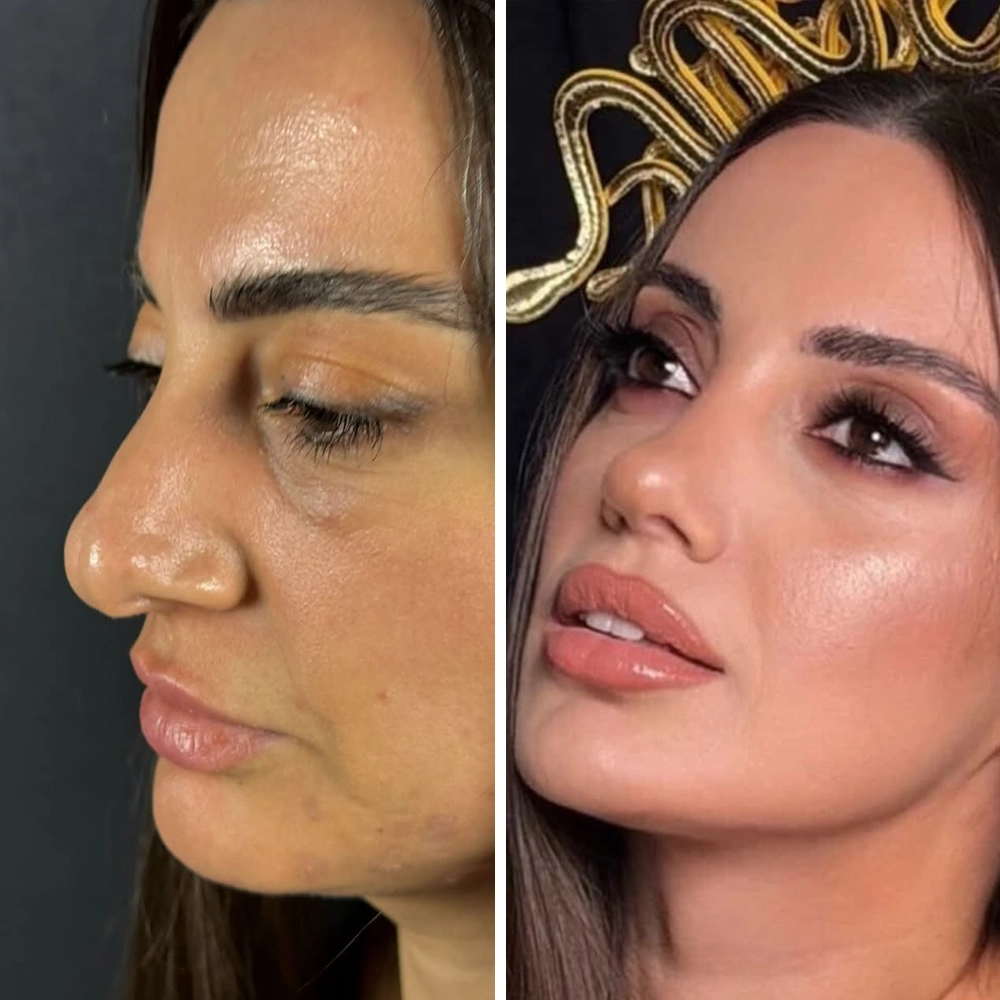 BEFOREAFTER
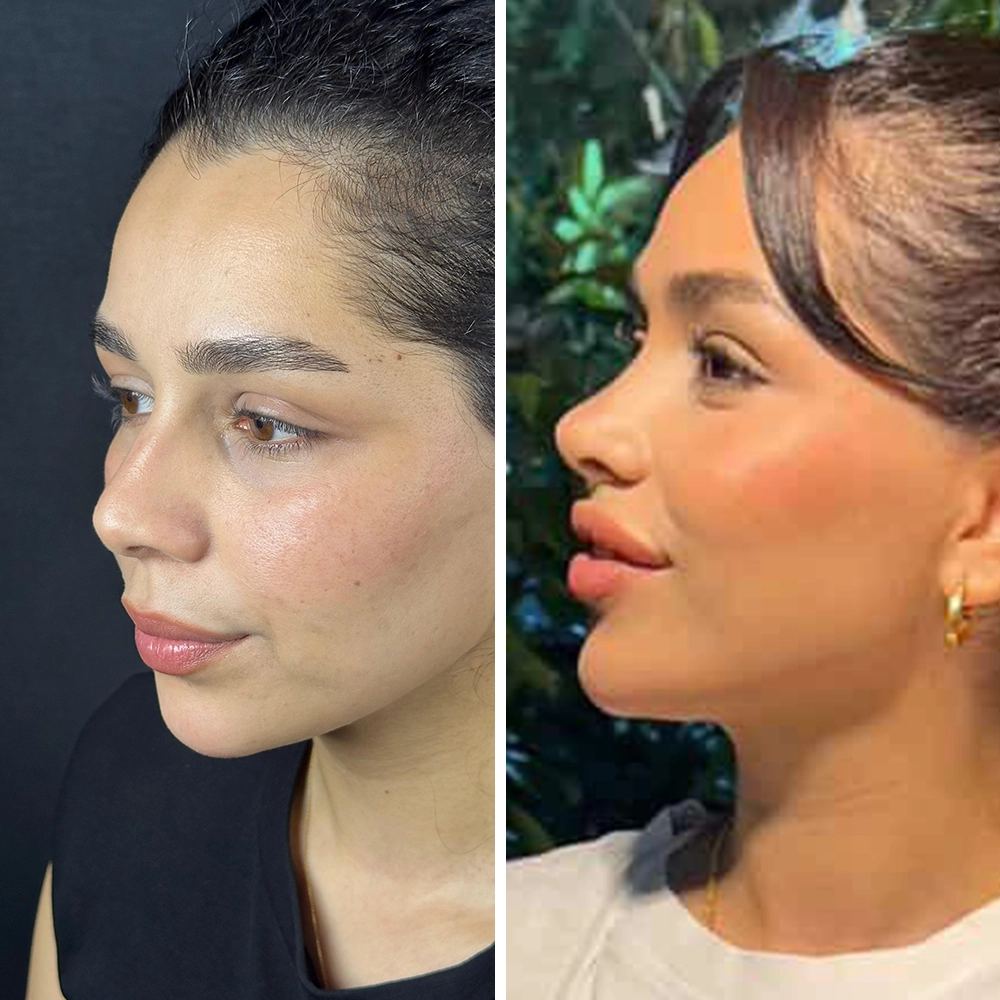 BEFOREAFTER
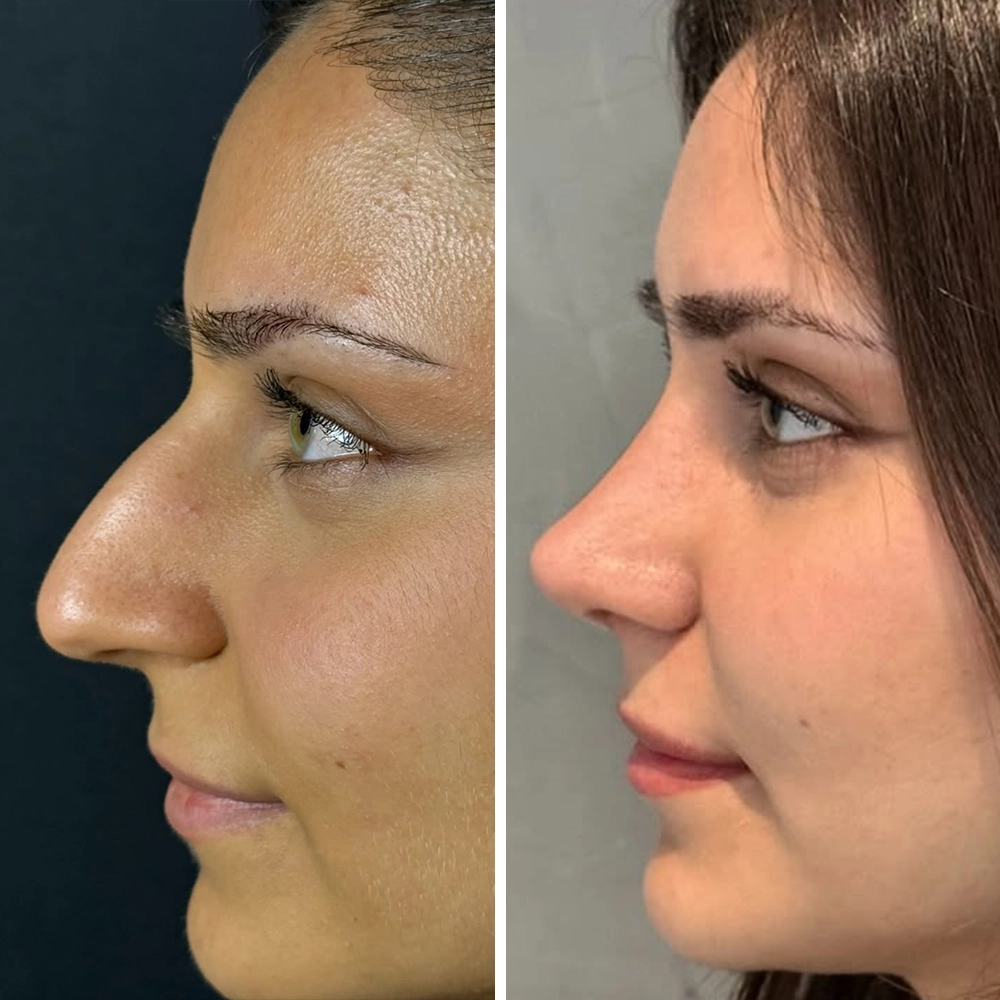 BEFOREAFTER
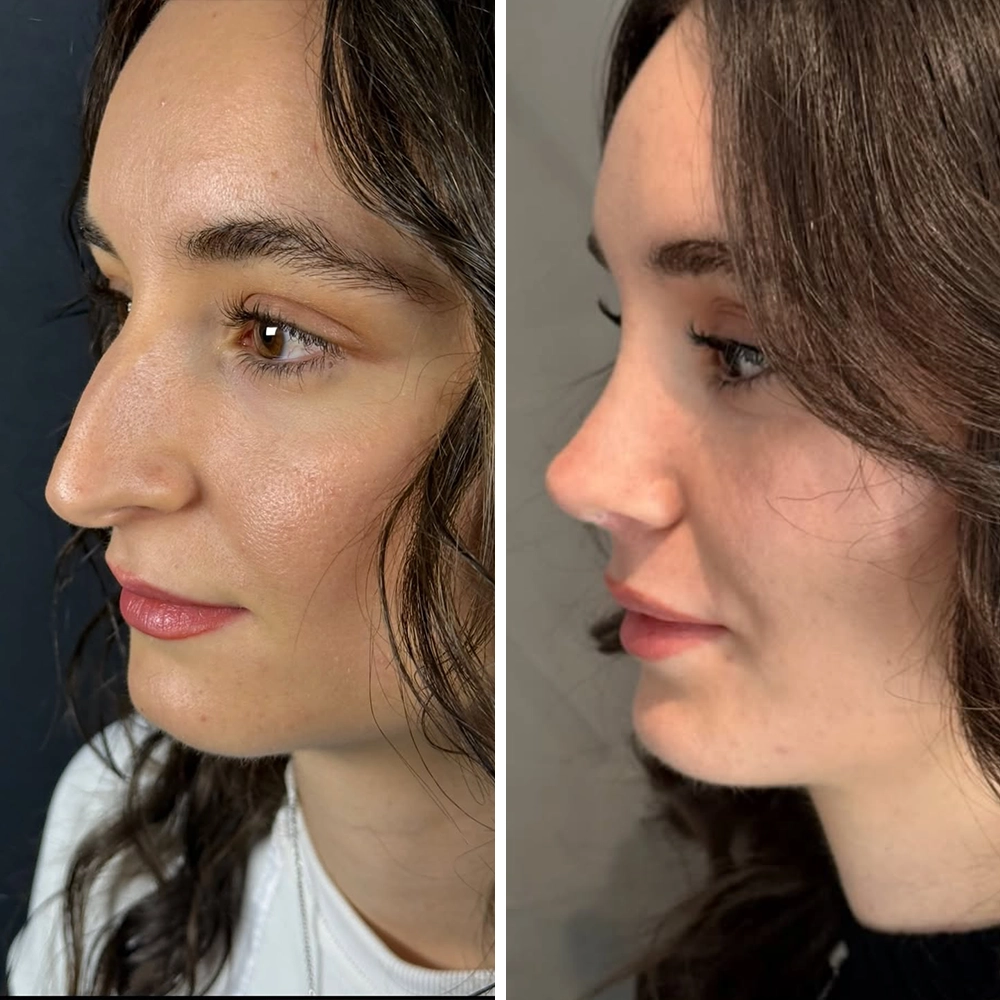 BEFOREAFTER
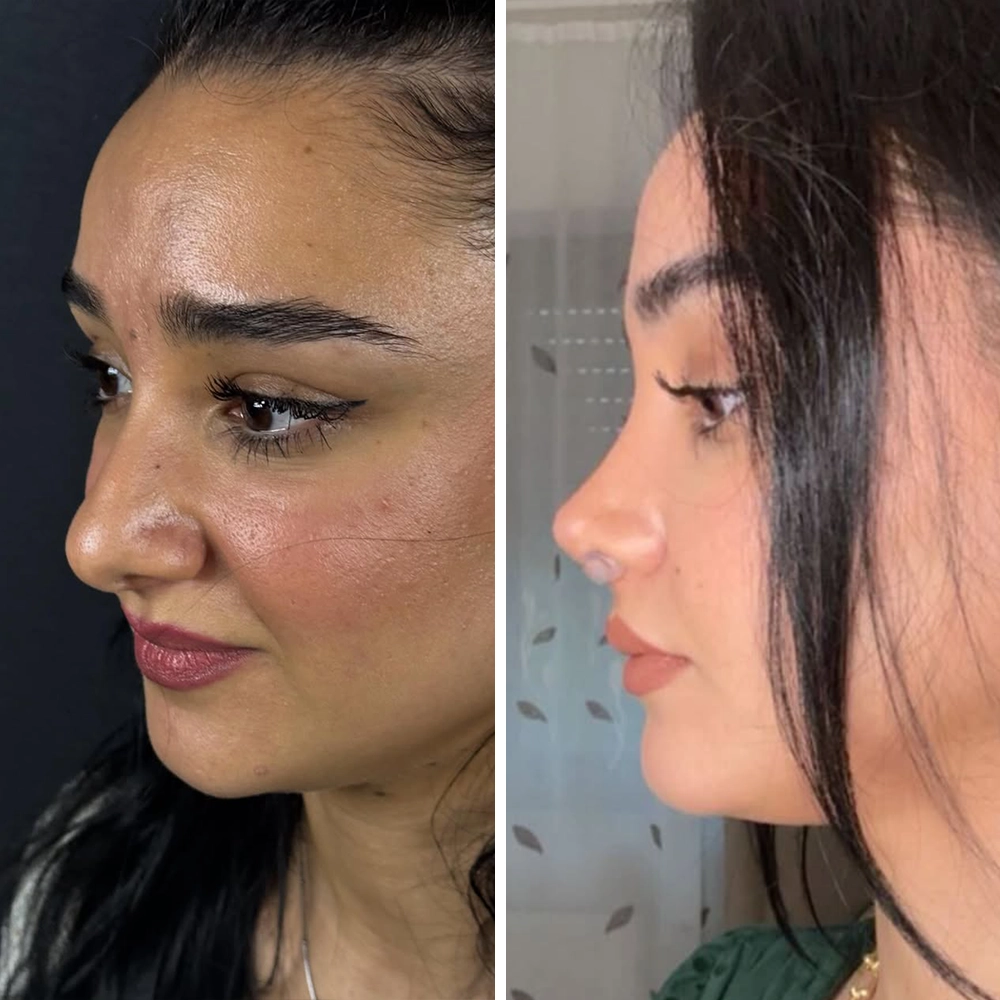 BEFOREAFTER
Individual results vary. Photographs are published with the patient's written consent and are not a guarantee of your outcome. All surgical procedures carry risks, which Dr. Oymak will discuss with you in full at your consultation.
Tipplasty addresses a specific set of concerns. The results are precise and — in experienced hands — lasting.
The most commonly requested change. Suture techniques and carefully planned cartilage work narrow and define the tip from the front view — producing the clean tip-defining points that a bulbous tip obscures.
A tip that drops on animation or sits low at rest creates a persistently aged or heavy appearance. Tip rotation combined with depressor septi release corrects both the resting and animated position in a single operation.
Both under-projection (a flat, recessed tip) and over-projection (a tip that protrudes disproportionately) are addressed through structural grafting or conservative cartilage reduction. Projection is calibrated to your facial proportions.
Asymmetry between the two lower lateral cartilages — whether congenital, traumatic or post-surgical — is corrected by targeted cartilage work on the affected side. The goal is a tip that reads as balanced from every angle.
Because the bridge and nasal bones are untouched, bruising is typically minimal and swelling resolves faster. A rigid splint is often not required. Most patients return to desk work within a week and social activity within ten days.
For patients who are content with their bridge and unhappy only with the tip, tipplasty is the more precise answer than full rhinoplasty. The bridge is left exactly as it is — no unintended changes to what is already working.
Structural tip work — particularly columellar strut grafting and valve-area manoeuvres — can incidentally improve nasal airflow in patients whose breathing obstruction originates at the tip or nasal valve rather than the septum.
Structural support through grafting prevents the most common tipplasty complication — postoperative tip drooping as tissues settle. A well-structured result at six weeks is a reliable predictor of the result at six years.
Land in Istanbul, step into a private Mercedes. Just over an hour later you are in Çekirge — Bursa's thermal district, where Dr. Oymak's practice and Acıbadem Hospital are based.
The same surgical standard UK patients travel for — without the noise of Istanbul.
Not every patient who wants tip surgery is best served by tipplasty alone. Dr. Oymak applies these criteria before agreeing to operate.
Cases from Dr. Oymak's practice at Acıbadem Bursa Hospital, published with written patient consent.


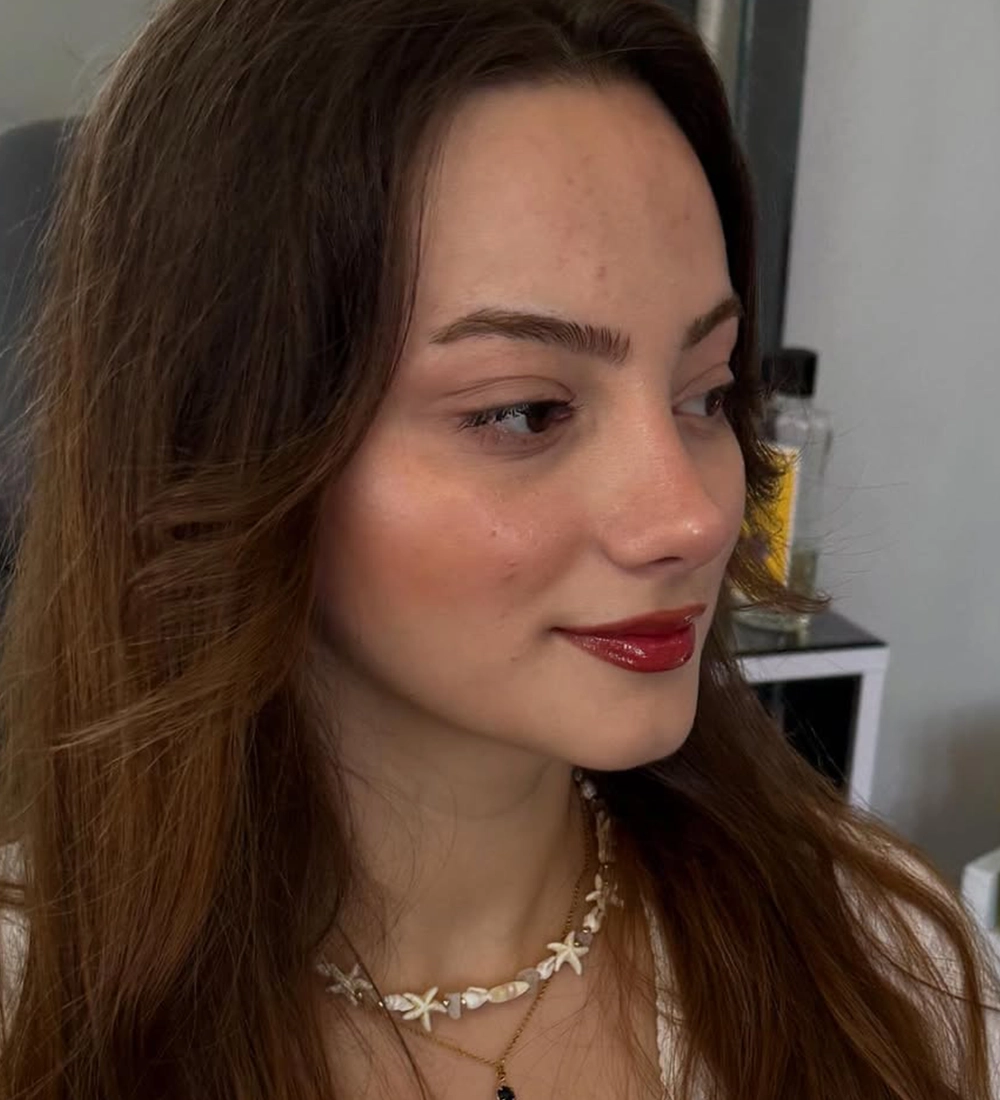


Individual results vary. Photographs are published with the patient's written consent and are not a guarantee of your outcome.
Every international nose tip surgery patient follows the same four-stage pathway. From first enquiry to operating slot: four to eight weeks.
A complimentary 20-minute private video call with Dr. Oymak — never a coordinator. We ask for two or three clinical photographs in advance.
You leave with an honest answer to whether tipplasty alone is the right procedure, which technique is appropriate, and what the result will realistically look like.
A fully itemised written quote in GBP — surgery, anaesthesia, Acıbadem hospital stay, medication, twelve-month aftercare. No verbal extras.
A mandatory two-week reflection period applies before any deposit. We do not take same-day bookings.
Day 01 — private airport transfer, hotel check-in, pre-operative blood work.
Day 02 — tip surgery at Acıbadem Bursa under TIVA general anaesthesia. One night inpatient.
Days 03–05 — recovery at your hotel in Çekirge. No splint in most cases; tape only.
Structured video reviews at week 1, week 6, and months 3, 6 and 12 — directly with Dr. Oymak.
Direct WhatsApp access to the operating surgeon for the entire first year. No coordinator-as-gatekeeper.
Nose tip surgery pricing is quoted individually after your video consultation. Tipplasty is typically priced at the lower end of the rhinoplasty range — it involves less operating time and no bony work. The quote you sign is the quote you pay.
Travel and accommodation are arranged separately at preferred partner rates. No surprises on the day of discharge.
REQUEST A WRITTEN QUOTE →Verified reviews from international rhinoplasty patients — published with written consent. Aggregate rating of 4.7 from 120+ verified Google and Trustpilot reviews.
After searching countless places and doctors, I came to your clinic with a great deal of scepticism — and I found a truly professional process. I saw that you have elevated rhinoplasty to the very pinnacle of the field, regardless of gender. Meeting your expertise became a turning point in my life. I wanted to thank you for the care and attention you showed me.
Our doctor was a wonderfully warm and elegant lady. I am extremely pleased with my nose surgery and would recommend her to everyone. There was absolutely no swelling or bruising — I believe this is thanks to the state-of-the-art technology she used. I highly recommend her. She is very successful in her field.
Özlem Hanım is a doctor who truly loves her work and values her patients. She was very attentive throughout the consultation, explained everything step by step and put me completely at ease. Her warm smile and patient manner made me feel entirely comfortable. The practice itself is spotless and tranquil. I am so glad I chose her.
I had my surgery approximately one and a half months ago and I was quite anxious beforehand. My doctor took away all of that nervousness and worry. Her warm approach and willingness to answer every question at any moment made me especially happy. I am very satisfied.
After lengthy research, I had my surgery on 2nd July. Both the surgical process and the post-operative period were managed beautifully. Whenever I called, I could reach someone, and my questions were answered in a way that truly put my mind at rest. I can recommend her with complete confidence.
I have seen many doctors, but Özlem Hanım is the one who satisfied me in every way — I am truly grateful to her. I was having difficulty breathing and that problem is now gone. On top of that, the shape of my nose has changed dramatically. I have not had a single negative response from anyone around me.
I went to Özlem Hanım in October with complaints of being unable to breathe and a crooked bone. Compared to other doctors in the field, I think she performs her work with greater care and precision. It has been five months since my surgery and I am personally very pleased with my nose. I am so glad I trusted her.
After the disappointment I experienced with a previous doctor in Istanbul, I am so glad I found you. Thanks to you, I can now look in mirrors again and enter social settings with confidence. Your support throughout the process was also very important from a psychological standpoint. Thank you for everything — I am so glad you exist.
I had my surgery with Özlem Hanım two months ago. I had quite a problematic nose — there was no perfect wait, but the result turned out even more beautiful and natural than I had imagined. I had no issues whatsoever after the operation. Her attention and care are excellent. I recommend her wholeheartedly.
It has been exactly one year since my nose surgery. The recovery was very comfortable — no bruising at all and very minimal swelling. The result turned out even more beautiful than I had anticipated. I cannot thank her enough; it was the best decision I have ever made in my life.
Nose tip surgery — tipplasty — is a rhinoplasty focused exclusively on the lower third of the nose. The bridge, nasal bones and septum are left untouched unless there is a clinical reason. Because no osteotomies are performed, bruising is minimal, recovery is faster and a rigid splint is usually not required. It is the correct procedure for patients whose concern is specifically the tip.
Tipplasty typically takes one to one and a half hours under general anaesthesia. Simple cases may be completed in under an hour. Cases involving grafting or combined tip concerns take up to ninety minutes. The exact duration is discussed at your consultation once the surgical plan is confirmed.
In most tipplasty cases a rigid splint is not required — because the nasal bones are not touched, there is nothing to hold in position. Tape is applied to the tip for the first week to support swelling management and graft stabilisation. If the procedure is combined with any bony work, a splint will be used.
Recovery after tipplasty is typically faster than after full rhinoplasty. Most patients return to desk work within one week, social activity within ten days, and light exercise after three to four weeks. The final tip shape is visible at six to nine months.
Yes. A tip that droops on animation is usually caused by the depressor septi ligament pulling the tip inferiorly. Division of this ligament, combined with tip rotation and structural strut grafting, corrects both the animated and resting position. The improvement is visible from the first few weeks and stable long-term.
Nose tip surgery with Op. Dr. Özlem Oymak is quoted on an individual basis following your video consultation. Your written quote covers surgery, anaesthesia, hospital stay, all materials, medication and twelve months of aftercare — provided before any payment is requested.
Yes — with proper structural support. Dr. Oymak uses columellar strut grafting as standard for any procedure involving tip rotation or projection change, maintaining the tip at its new position as the tissues settle over months. A well-structured tip result at six weeks is a reliable predictor of the result at several years.
Dr. Oymak performs one operation per day at JCI-accredited Acıbadem Bursa Hospital — with twelve months of direct surgeon aftercare included in every quote. The all-inclusive package is competitively priced for the UK market. The journey from Istanbul airport takes approximately one hour fifteen minutes, and Bursa's calm thermal district is particularly well-suited to the lighter recovery tipplasty requires.
A complimentary 20-minute private video consultation. You will receive an honest assessment of whether tipplasty is the right procedure for you, an itemised written quote, and — if you choose to proceed — a clear plan for your time in Bursa.

